
- Your cart is empty
- Continue Shopping



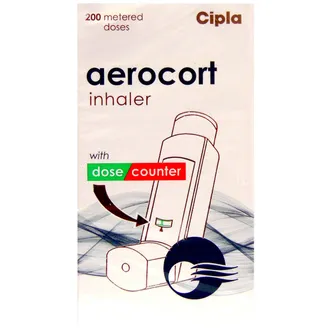
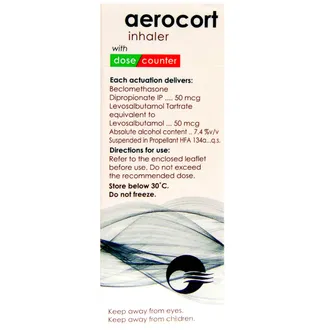
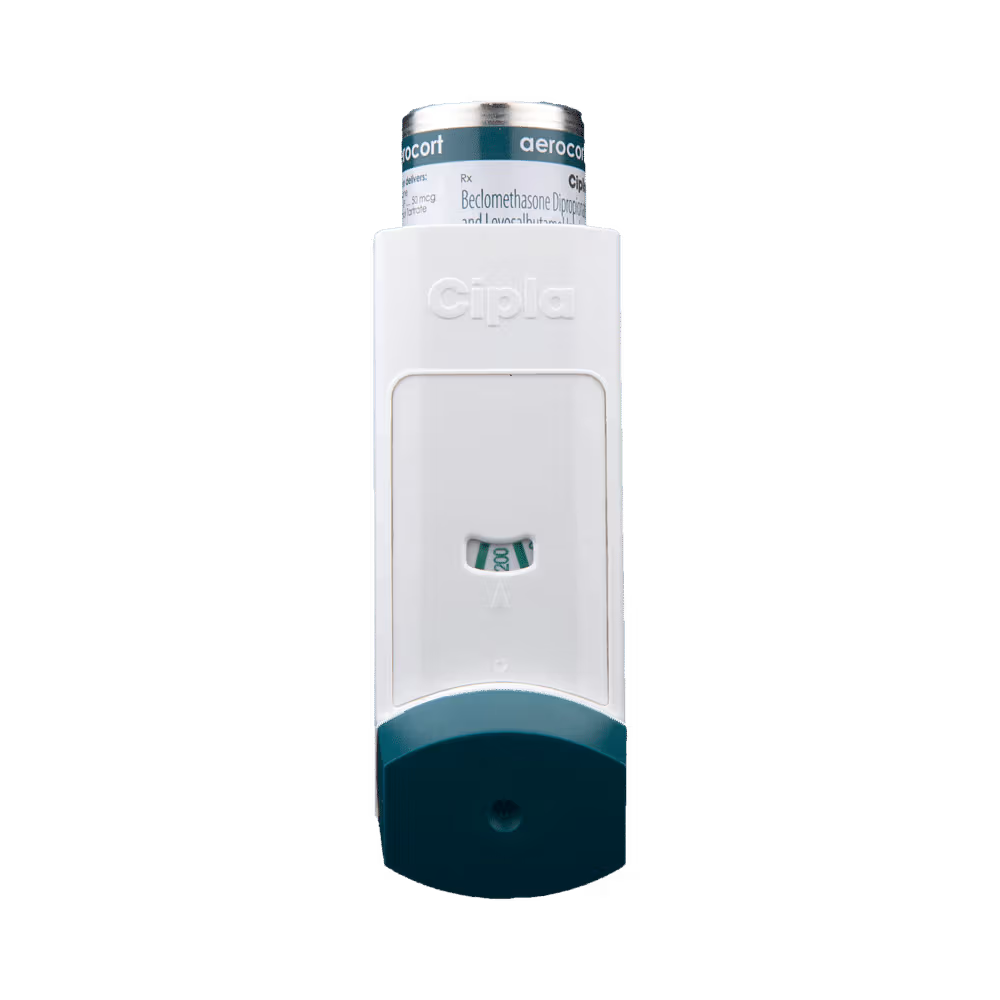
₹280.00Current price is: ₹280.00. Original price was: ₹310.55.
This product requires a valid prescription. You can upload your prescription during checkout or after placing your order.
Product introduction
Aerocort Inhaler is used in the treatment of asthma (wheezing and shortness of breath). It relaxes the muscles of the air passages and makes it easier to breathe. Your doctor will tell you how often you need to use your inhaler. It’s important that you take the lowest dose needed to effectively control your asthma. The effect of this medicine may be noticeable after a few days but will only reach its maximum after a few weeks. This medicine must be used regularly to be effective, so continue taking it even if you don’t have any symptoms. If you stop taking it, your asthma may get worse. It should not be used to relieve sudden asthma attacks. If an asthma attack occurs, use your quick-relief inhaler (reliever). To get the full benefit, ensure you use the inhaler with the correct technique.
The most common side effects are hoarseness of voice, sore throat, fungal infection of the mouth, respiratory tract infection, headache, and muscle cramp. If you experience these, don’t stop taking it but consult your doctor. Rinsing your mouth and throat with water or brushing your teeth after using your inhaler may help prevent some of these effects. In general, avoid exposure to asthma triggers and try not to smoke.
Ask your doctor whether it’s safe to take this medicine if you’re pregnant or breastfeeding. Before taking it, inform your doctor if you have any kidney or liver disease so that a suitable dose can be prescribed.
Uses of Aerocort Inhaler
Asthma
Benefits of Aerocort Inhaler
In Asthma: Asthma causes narrowing of airways, making breathing difficult. Aerocort Inhaler helps in easy breathing by widening the airways and provides relief from symptoms such as chest tightness, shortness of breath, wheezing, and coughing. Regular exercise and yoga can further help improve asthma symptoms and overall health.
Side effects of Aerocort Inhaler
Most side effects do not require medical attention and disappear as your body adjusts to the medicine. Consult your doctor if they persist or bother you.
Common side effects
Pharyngitis, Hoarseness of voice, Headache, Dizziness, Vomiting, Bronchitis (airway inflammation), Dryness in mouth, Cough, Nausea, Thrush, Throat irritation, Upper respiratory tract infection, Fever.
How to use Aerocort Inhaler
Check the label for directions before use. Shake the inhaler. While breathing in through your mouth, press down on the inhaler once to release the medication and hold your breath for about 10 seconds. Repeat if multiple puffs are prescribed. Afterwards, rinse your mouth thoroughly with water and spit it out.
How Aerocort Inhaler works
Aerocort Inhaler is a combination of two medicines: Levosalbutamol and Beclometasone. Levosalbutamol is a bronchodilator that relaxes the muscles in the airways and widens them. Beclometasone is a steroid that stops the release of natural substances causing inflammation in the airways. Together, they make breathing easier.
Safety advice
Alcohol: Unsafe — Aerocort Inhaler may cause excessive drowsiness with alcohol.
Pregnancy: Consult your doctor — Aerocort Inhaler may be unsafe during pregnancy. Animal studies have shown harmful effects on the developing baby. Your doctor will weigh the potential benefits and risks.
Breastfeeding: Safe if prescribed — Limited data suggests it does not represent a significant risk to the baby.
Driving: No interaction found.
Kidney: No interaction found.
Liver: No interaction found.
What if you forget to take Aerocort Inhaler?
If you miss a dose, use it as soon as possible. If it is almost time for your next dose, skip the missed one and continue with your regular schedule. Do not double the dose.


Reviews
There are no reviews yet.