
- Your cart is empty
- Continue Shopping



₹784.00Current price is: ₹784.00. Original price was: ₹837.00.
This product requires a valid prescription. You can upload your prescription during checkout or after placing your order.
Product Overview
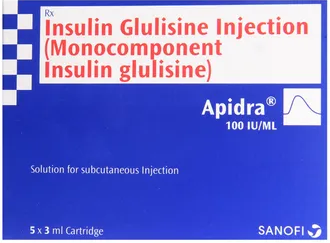
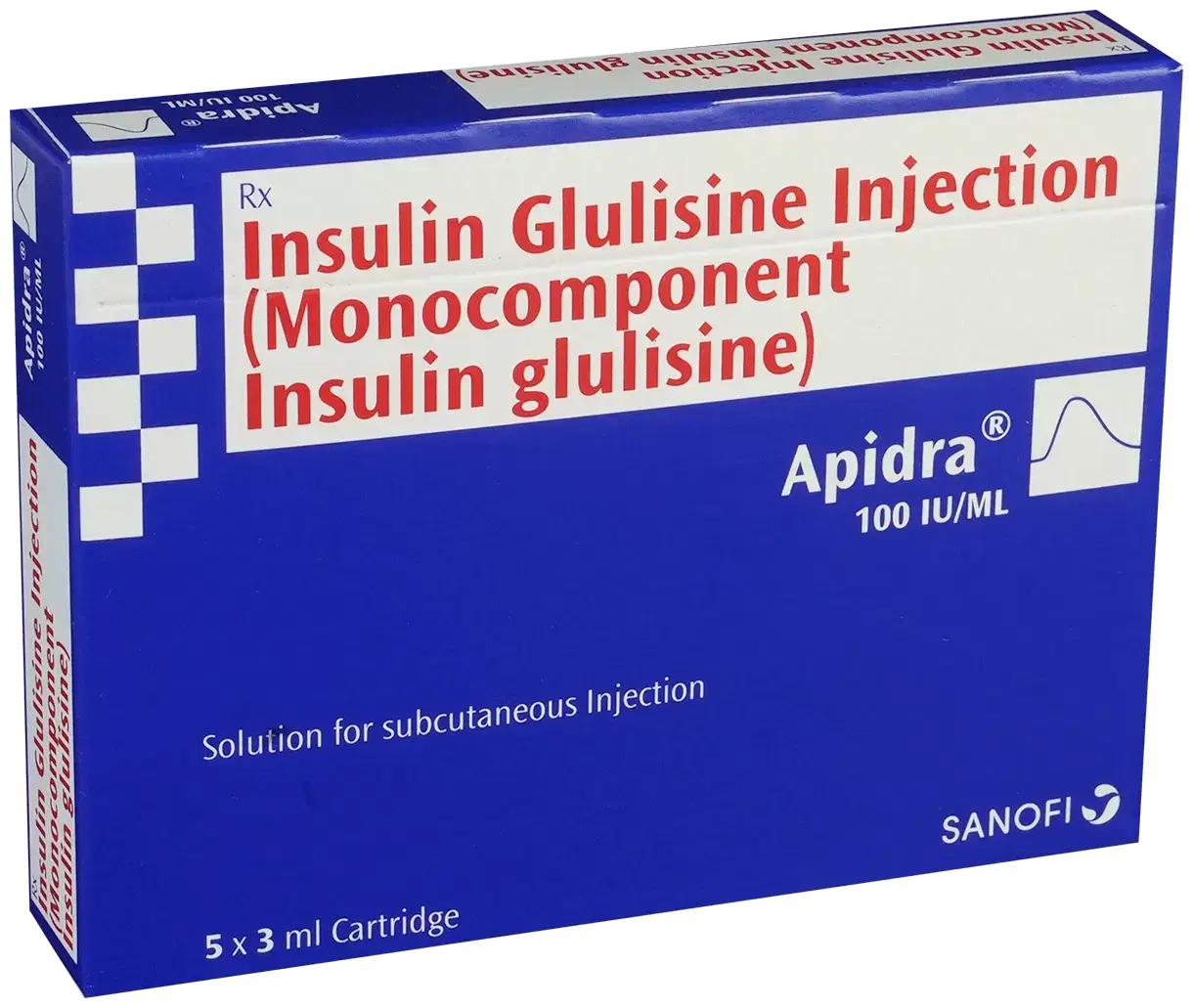
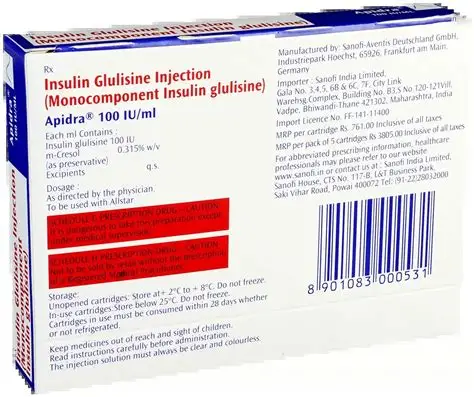
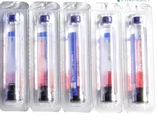
Apidra 100IU Cartridge (3ml Each) is a fast-acting insulin used to help manage blood sugar levels in individuals with type 1 and type 2 diabetes. It works quickly after injection to lower glucose levels following meals and supports overall blood sugar control, helping to prevent diabetes-related complications.
This insulin is often prescribed alongside long-acting insulin or other medications for diabetes. Your healthcare provider will instruct you on the correct method for injecting it under the skin. It is typically administered within 15 minutes before eating or up to 20 minutes after a meal starts. It is essential to continue using this medicine as directed, even if you feel well, and to follow the recommended diet, exercise, and weight management plan provided by your doctor.
Regular monitoring of blood sugar levels is important. Keeping track of your readings and sharing them with your healthcare provider helps ensure that you receive the correct dose.
The most frequently reported side effects include low blood sugar (hypoglycemia), allergic reactions, irritation at the injection site, thickened or pitted skin at the injection area, rash, itching, and upper respiratory tract infections. These effects may lessen over time, but it’s important to stick to your prescribed dose, eat consistent meals, and regularly monitor your glucose levels.
Avoid using this medicine when your blood sugar is already low. Inform your doctor if you have kidney, liver, or heart issues before starting treatment. Women who are pregnant or breastfeeding should consult their healthcare provider before using this medication.
Uses
Management of type 1 and type 2 diabetes
Support for blood sugar control after meals
Prevention of diabetes complications
Benefits
Managing Diabetes
Apidra 100IU Cartridge (3ml Each) is a modern insulin option that mimics the body’s natural insulin response to food intake. It helps glucose move into cells, providing energy and lowering blood sugar levels within 10 to 20 minutes of injection. Its effects may last between 3 to 5 hours.
Consistent use helps prevent complications such as nerve damage, kidney failure, vision loss, and limb problems associated with diabetes. Combined with a healthy diet and regular physical activity, this medicine allows for a healthier lifestyle and better long-term outcomes.
Side Effects
Most side effects are mild and resolve as your body adapts to the treatment. However, contact your healthcare provider if symptoms persist or cause concern.
Common side effects include:
Hypoglycemia (low blood sugar)
Allergic reactions
Redness, pain, or swelling at the injection site
Thickened or dented skin at injection areas (lipodystrophy)
Rash and itching
Upper respiratory tract infections
How to Use
Your healthcare provider will train you on how to inject this medication correctly. Follow the recommended dosage and timing instructions closely. It’s important to administer the injection either shortly before or after a meal and never miss a dose without consulting your doctor.
How It Works
Apidra 100IU Cartridge (3ml Each) is a rapid-acting insulin that functions similarly to the natural insulin in the body. After injection, it helps move glucose into muscle and fat cells, while also preventing the liver from releasing excess sugar into the bloodstream, thereby lowering blood glucose levels quickly.
Safety Information
Alcohol:
Consuming alcohol while using this medication is not recommended. Please consult your healthcare provider.
Pregnancy:
This insulin is considered safe during pregnancy when prescribed by a doctor. Animal studies have not shown significant harm, though limited data exists for humans.
Breastfeeding:
Data regarding use during breastfeeding is insufficient. Consult your doctor before using this medication.
Driving:
Your ability to drive may be impaired if your blood sugar is too low or too high. Avoid driving if symptoms occur.
Kidney:
Use caution in patients with kidney disease. Dose adjustments may be required, and blood sugar monitoring is recommended.
Liver:
Caution is advised in patients with liver conditions. Dose adjustments may be necessary, and glucose levels should be checked regularly.







Reviews
There are no reviews yet.