
- Your cart is empty
- Continue Shopping




₹485.56Current price is: ₹485.56. Original price was: ₹549.00.
This product requires a valid prescription. You can upload your prescription during checkout or after placing your order.
Product Introduction
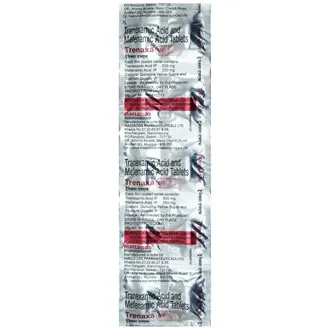
Trenaxa MF Tablet is a combination medicine used to treat heavy menstrual bleeding and menstrual pain. It contains Tranexamic Acid and Mefenamic Acid, which work together to control excessive bleeding and relieve menstrual cramps. Tranexamic Acid helps prevent the breakdown of blood clots during periods, while Mefenamic Acid blocks pain-causing chemical messengers, reducing inflammation and discomfort.
Uses of Trenaxa MF Tablet
Treatment of Heavy Menstrual Bleeding: Controls excessive blood loss during periods.
Treatment of Menstrual Pain (Dysmenorrhea): Relieves pain and discomfort due to menstrual cramps.
Benefits of Trenaxa MF Tablet
Reduces Excessive Bleeding: Tranexamic Acid regulates clot breakdown for controlled menstrual flow.
Relieves Pain and Inflammation: Mefenamic Acid reduces prostaglandins, easing cramps, swelling, and discomfort.
Supports Overall Well-being: Helps you maintain daily activities with less pain and fatigue during periods.
How Trenaxa MF Tablet Works
Tranexamic Acid (Anti-fibrinolytic): Prevents the breakdown of blood clots, reducing heavy bleeding.
Mefenamic Acid (NSAID): Blocks prostaglandins, the chemical messengers responsible for menstrual pain and inflammation.
Directions for Use
Take as prescribed by your doctor, preferably at the same time each day.
Start on the first day of your period for optimal benefits.
Can be taken with food to minimize stomach upset.
Swallow whole, do not crush, chew, or break.
Finish the full course of treatment, even if symptoms improve.
Side Effects
Most side effects are mild and temporary. Contact your doctor if they persist:
Nausea, vomiting, or diarrhea
Stomach pain, heartburn, or indigestion
Headache, tiredness, or anemia
Nasal congestion, sinus pain, or sinus inflammation
Musculoskeletal (bone, muscle, or joint) pain
Safety Advice
Alcohol: Unsafe while taking Trenaxa MF Tablet.
Pregnancy: Consult your doctor; may be unsafe.
Breastfeeding: Probably safe if prescribed; limited data available.
Driving: May cause drowsiness, dizziness, or blurred vision. Avoid driving if affected.
Kidney Disease: Use with caution; dose adjustment may be required. Not recommended in severe kidney disease.
Liver Disease: Generally safe; consult your doctor for advice.
Lifestyle & Diet Tips
Drink plenty of fluids to prevent dehydration, especially if diarrhea occurs.
Mild exercise, hot water showers, and stress reduction may help reduce menstrual discomfort.
Maintain a balanced diet to support recovery and overall health during periods.





Reviews
There are no reviews yet.